Publishing a book independently gives authors extraordinary freedom over their work, their timeline, and their earnings, and it also makes them a target for self-publishing scams run by businesses and individuals who profit from an author’s hope of reaching readers. That same independence also makes them a target for businesses and individuals who profit from an author’s hope of reaching readers.
Publishing scams have been around as long as publishing itself, and they’ve grown far more sophisticated. Fraudsters now use artificial intelligence to build convincing websites, write polished correspondence, fabricate testimonials, and tailor offers to a specific author and title. Some impersonate real literary agents, publishers, or film producers. Others sell marketing campaigns, book-club placements, or “Hollywood pitch” packages that never deliver anything of value.
Knowing the warning signs helps you protect your money, your manuscript, and your rights.

1. An Unexpected Offer Sounds Too Good to Be True
Be cautious when someone you’ve never contacted tells you your book has caught extraordinary attention, whether from a producer, a book club, a bookstore chain, or a foreign-rights buyer. Legitimate opportunities occasionally arrive unannounced, but unsolicited praise paired with promises of major exposure always deserves careful verification before you respond with money or personal information.
2. The Sender Claims to Represent a Famous Organization
Scammers regularly impersonate publishing houses, literary agencies, book clubs, and professional associations. They copy logos, borrow the names of real employees, and register email domains that look nearly identical to the genuine ones.
A familiar name or recognizable logo proves nothing on its own. Look up the organization’s official website yourself, find a contact address there, and confirm the offer directly. Avoid using any phone number or link supplied in the message you received.
3. You’re Asked to Pay to Unlock an Opportunity
Legitimate publishing professionals charge for services such as editing, cover design, and formatting. The warning sign is a payment that supposedly unlocks something else: a publishing contract, literary representation, a guaranteed review, or a prestigious introduction.
This matters especially with fake literary agents. Reputable agents earn a commission when they sell your book, and members of the Association of American Literary Agents are prohibited from charging reading fees. An “agent” who asks for money up front, or who requires you to buy editing from a company they recommend, should be treated with suspicion.
Before paying anyone, ask a simple question: what, exactly, am I purchasing?
4. The Company Guarantees Book Sales
No reputable marketing professional can guarantee that readers will buy a particular number of books. Advertising, publicity, and promotional campaigns can increase your visibility, and good ones are worth the investment. Sales still depend on the book, its category, its packaging, and readers themselves. A guarantee of sales, rankings, or bestseller status is a sales tactic.
5. The Services Aren’t Clearly Defined
Phrases such as “global exposure,” “premium literary promotion,” or “industry placement” sound impressive and reveal almost nothing. Ask for specific deliverables, timelines, distribution channels, and measurable activities. How many newsletters will feature the book? Which outlets will receive it? Who are their subscribers? What report will you receive at the end?
You should know what the company will do before you pay.
6. The Price Keeps Increasing
Many fraudulent operations begin with a modest fee and then introduce new costs once you’ve committed. Suddenly you need a special registration, a licensing fee, promotional materials, a “translation review,” or a premium upgrade to keep the opportunity alive.
Ask for a complete written breakdown of all costs before you begin, and treat any surprise fee as a reason to pause.
7. You Can’t Verify Previous Work
Look for independently verifiable projects, professional credentials, and client references you can actually contact. Testimonials on a company’s own website aren’t sufficient, since they’re easy to invent and AI makes them easier still.
Search the company and its principals by name, alongside words like “complaint” or “scam.” Check whether the books they claim to have worked on exist, and whether those authors acknowledge them.
8. Someone Wants Control of Your Publishing Accounts or Rights
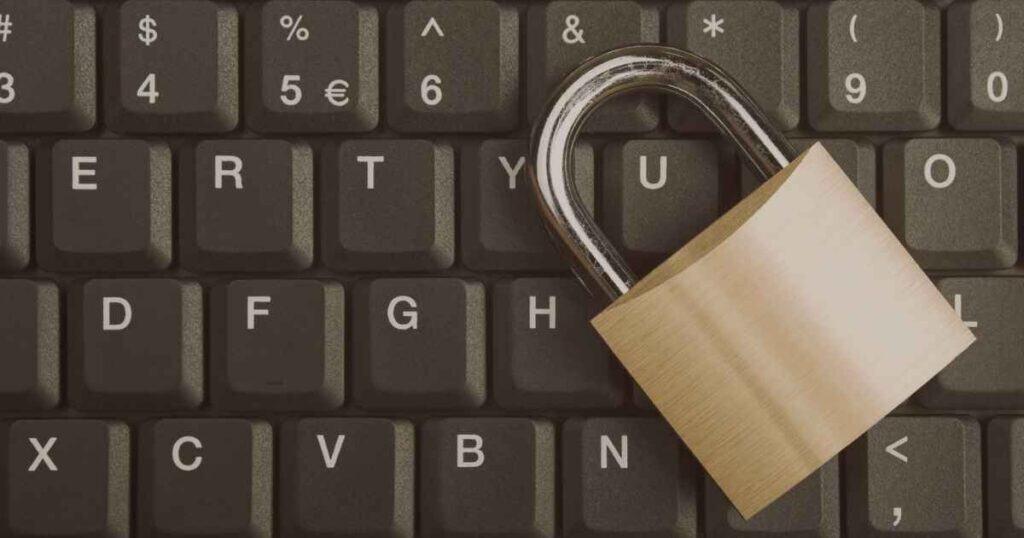
Independent authors should always know who controls their publishing accounts, ISBNs, files, rights, and royalties. A professional may need limited access or specific files to perform an agreed service, and that’s normal. Handing over your account password, transferring ownership of your ISBNs, or signing away rights is a different matter entirely.
Keep your Amazon KDP, IngramSpark, and other distributor accounts in your own name. If you plan to publish across multiple platforms, consider purchasing your own ISBNs (in the United States, through Bowker) so your book’s identifying numbers belong to you. Read any contract carefully for clauses that grant the company rights to your work, a share of your royalties, or control over future editions.
9. You’re Pressured to Decide Immediately
High-pressure deadlines are a classic warning sign, especially when they come with a demand for immediate payment. “This spot closes Friday” and “the producer needs an answer today” are designed to keep you from asking questions.
Legitimate professionals give you time to review an agreement, ask questions, and consult someone you trust.
10. The Company Won’t Explain Its Agreement
Before you buy any service, you should understand the scope of work, payment schedule, cancellation terms, ownership of files and rights, and expected deliverables. If an agreement is confusing, ask for clarification in writing. If the company can’t or won’t explain its own contract, walk away.
How to Verify a Publishing Opportunity
Start by researching the company independently. Confirm that the people contacting you actually work there by reaching the organization through its official website. Check membership claims with the professional associations themselves. Search for complaints, and look for a documented history of completed projects.
Two resources are especially useful:
- Writer Beware (writerbeware.blog), sponsored by the Science Fiction & Fantasy Writers Association, tracks publishing scams, impersonation schemes, and questionable services, and responds to author questions.
- The Authors Guild publishes alerts and guidance on fraudulent publishing practices and offers contract review to its members.
If you’ve already been targeted, you can report the scam to the Federal Trade Commission at ReportFraud.ftc.gov and share the details with Writer Beware so other authors can be warned.
Professional Publishing Should Be Transparent
Price alone won’t tell you whether a service is legitimate. Some expensive services are worth every dollar, and some inexpensive ones deliver very little. What separates a trustworthy professional from a scheme is transparency.
A legitimate professional should explain what they’re providing, why it may benefit your book, and what remains your responsibility.
At Lioness Press, the goal is to help independent authors publish professionally while keeping full control of their publishing decisions. That means clearly defined services, understandable pricing, and realistic expectations.
Before you pay anyone to help publish or promote your book, make sure you understand exactly what you’re buying. If your book is nearly ready and you want an independent second look before you commit, the Publish Without Regret Review offers a structured, written audit of your manuscript excerpt, front and back matter, cover, and book description. Your manuscript represents an enormous investment of time and effort, and protecting it is part of becoming a professional independent publisher.